
If you’ve ever tried to pick the right microwave kiln for glass fusing, you know how overwhelming the options can feel, especially if you’re new to the craft. Between varying price points, size options, and conflicting user reviews, it’s easy to waste money on a model that doesn’t deliver consistent results or fit your workspace. This guide is designed to cut through the noise, with a side-by-side comparison table of top-rated options and actionable buying tips tailored to every skill level and budget. We’ll walk you through the key features that actually matter, common pitfalls to avoid, and how to match a kiln to your specific fusing goals, so you can start creating beautiful fused glass pieces without the guesswork.
Best Microwave Kiln For Glass Fusing Comparison Table
| Image | Product | Highlights | Check Price |
|---|---|---|---|

|
Tujoe Large Microwave Kiln with 50 Paper Sheets |
|
Check Price |

|
Crabcut Large Microwave Kiln with 50 Paper Sheets |
|
Check Price |
|
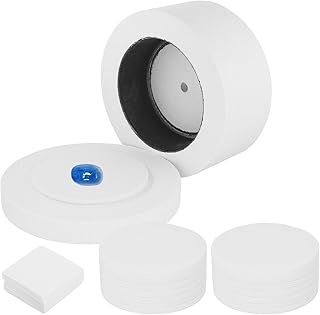
Large Microwave Kiln with 50 Kiln Paper Sheets |
|
Check Price |

|
Extra Large Microwave Kiln with 60 Paper Sheets |
|
Check Price |

|
Large Microwave Kiln for Glass Fusing |
|
Check Price |

|
WICAND Large Microwave Kiln for Glass Fusing |
|
Check Price |

|
Large Microwave Kiln for Glass Fusing with Kiln Paper |
|
Check Price |
Table of Contents
- 1. Tujoe Large Microwave Kiln with 50 Paper Sheets
- 2. Crabcut Large Microwave Kiln with 50 Paper Sheets
- 3. Large Microwave Kiln with 50 Kiln Paper Sheets
- 4. Extra Large Microwave Kiln with 60 Paper Sheets
- 5. Large Microwave Kiln for Glass Fusing
- 6. WICAND Large Microwave Kiln for Glass Fusing
- 7. Large Microwave Kiln for Glass Fusing with Kiln Paper
Best Microwave Kiln For Glass Fusing Reviews and Ratings
Microwave kilns for glass fusing have exploded in popularity among hobbyists and small-scale artists because they eliminate the need for expensive, space-hogging traditional kilns, making fused glass accessible to anyone with a standard microwave. Whether you’re a beginner testing out the craft or a seasoned creator looking for a compact, low-cost secondary kiln, our top 7 microwave kiln for glass fusing picks break down performance, durability, and value so you can find the perfect fit for your projects.
1. Tujoe Large Microwave Kiln with 50 Paper Sheets
Using a microwave kiln should not feel like a scavenger hunt for compatible supplies, especially when a fuse is waiting to be finished. Tujoe Large Microwave Kiln with 50 Paper Sheets bundles the kiln with a substantial paper supply, so beginners can focus on shaping their project instead of wondering whether enough kiln paper is on hand. That small detail can make a home craft evening feel much smoother.
The roomy kiln format gives bead makers, jewelry hobbyists, and potters a practical way to organize small glass or clay pieces for microwave firing. The included sheets are useful for separating components and protecting kiln shelves, while the all-in-one setup simplifies cleanup and storage. It is a particularly welcoming choice for someone building a first glass-fusing routine. It also reduces the temptation to improvise with unsuitable replacements.
Real-life convenience is the biggest draw: one box can support repeated sessions, and the paper can be replaced as the set is used. Follow the firing schedule for your glass or clay, allow proper ventilation, and confirm that the microwave is microwave-safe. For anyone tired of piecing together a kiln, papers, and workspace, this package cuts much of the friction. It also keeps the initial supply budget easier to understand.
- Fifty included sheets support multiple firings
- Large format helps organize small project batches
- Suitable for glass, jewelry, and pottery crafts
- Paper assists spacing and shelf protection
- Coordinated kiln and paper package
- Beginner-friendly all-in-one setup
- Consumable paper must be replenished as the included sheets are used
- Successful results require compatible materials and careful firing settings
Get the Tujoe Large Microwave Kiln with 50 Paper Sheets now:
2. Crabcut Large Microwave Kiln with 50 Paper Sheets
This kit is ideal for beginners, home jewelry makers, and pottery hobbyists who want a ready-to-assemble microwave-firing setup without sourcing every component separately. It also gives new users a clear place to begin without first building a list of essential supplies. Crabcut Large Microwave Kiln with 50 Paper Sheets combines a large kiln with a useful starter supply of kiln paper, making the first project easier to plan.
The roomy format is well suited to organizing beads, small glass components, fused pieces, or clay work that benefits from careful spacing. Fifty sheets provide enough material for multiple firings or projects, while the paper can separate items and help protect the kiln surface. That convenience is valuable for anyone testing sizes, layering designs, or learning how pieces react in the microwave. That makes each new batch easier to prepare.
For home use, the main appeal is straightforward setup: place compatible work on the paper, follow a tested firing schedule, and let the kiln cool fully before opening. Ventilation and even loading matter, so first-time users should still read the instructions and confirm their microwave is suitable. In return, the kit offers a lower-friction way to explore fused glass and pottery crafts with less guesswork along the way.
- Beginner-friendly coordinated kit
- Large kiln supports organized project layouts
- Fifty kiln-paper sheets cover repeated sessions
- Useful for jewelry, glass, and pottery crafts
- Paper assists spacing and shelf protection
- Convenient for home hobby firing
- Not a substitute for a full-size professional glass furnace
- Ventilation and tested firing schedules remain necessary
Get the Crabcut Large Microwave Kiln with 50 Paper Sheets now:
3. Large Microwave Kiln with 50 Kiln Paper Sheets
The standout feature is the included 50-sheet kiln-paper supply, which supports batch after batch of small fused-glass projects without making paper the first shortage. Large Microwave Kiln with 50 Kiln Paper Sheets pairs that supply with a roomy firing format, giving jewelry makers and glass-fusing hobbyists a convenient setup for arranging, spacing, and protecting their work. That turns a simple craft night into a smoother, more predictable workflow.
That combination is especially helpful when several pendants, cabochons, beads, or decorative pieces need one firing session. The paper provides a clean sacrificial layer between the project and kiln shelf, reducing direct contact and making workspace planning easier. It also makes this kit attractive for crafters who want to experiment with compatible frits, fused layers, or simple mosaics without assembling every accessory independently while keeping setup focused on the design.
Keep expectations realistic: successful fusion depends on microwave-safe glass, compatible clay or slips, correct settings, and undisturbed cooling. Users should follow the kiln instructions, ventilate the room, and avoid overpacking the chamber. Even so, the coordinated kiln-and-paper package saves setup time and makes this a practical pick for dedicated hobbyists who fire smaller projects at home. It also rewards careful loading with more consistent results. (See Also:Microwave Splatter Shield)
- Fifty included kiln-paper sheets
- Roomy format supports batch organization
- Useful for pendants, beads, tiles, and mosaics
- Paper reduces direct shelf contact
- Coordinated setup saves preparation time
- Suitable for repeated hobby-firing sessions
- Paper supply eventually needs replenishment
- Fusion outcomes depend on compatible materials and precise timing
Get the Large Microwave Kiln with 50 Kiln Paper Sheets now:
4. Extra Large Microwave Kiln with 60 Paper Sheets
Unlike many kits that leave you counting a few scraps before the second firing, this extra-large set includes 60 kiln-paper sheets. Extra Large Microwave Kiln with 60 Paper Sheets tackles the common annoyance of short paper supplies head-on, while the roomy kiln gives crafters more freedom to arrange larger batches of compatible glass or pottery work. That difference is noticeable once the first pieces are ready to fire.
For glass fusing, the larger work area can be a genuine advantage when separating pendants, tiles, beads, or layered components that need breathing room during heating. Sixty sheets also make it easier to keep fresh liners available across repeated sessions. The result is less rationing, less rushed layout, and fewer interruptions while preparing a batch. It is a small supply advantage with a noticeable effect on the whole craft process.
Extra capacity does not guarantee uniform firing, so pieces should be compatible, evenly placed, and fired according to a tested schedule. Ventilation, full cooling, and careful microwave compatibility remain essential. Even with those caveats, this kiln-and-paper combination is a smart choice for frequent hobbyists who dislike the trial-and-run shortage created by undersized accessory kits. It also suits repeat sessions where clean separation and dependable preparation matter.
- Higher sheet count supports more repeated firings
- Extra-large format eases batch layout
- Helpful for separating many small pieces
- Fresh liners available across sessions
- Supports glass and pottery projects
- Reduces the need to ration paper
- Large capacity does not ensure even heating
- Requires ventilation, testing, and full cooling
Get the Extra Large Microwave Kiln with 60 Paper Sheets now:
5. Large Microwave Kiln for Glass Fusing
Picture finishing a batch of fused-glass pendants after dinner, loading the pieces onto a prepared kiln shelf, and firing them without setting up a separate full-size glass kiln. Large Microwave Kiln for Glass Fusing offers a compact way to complete small hobby projects at home when the materials, microwave, and firing schedule are all compatible. It turns an ordinary evening into a productive small-batch glass session.
The appeal is accessibility. A glass hobbyist can experiment with compatible beads, cabochons, tiles, and layered pieces in a familiar kitchen appliance, then follow a controlled ramp, hold, and cool cycle. Because kiln paper and other accessories are not stated as included, buyers should plan the consumables separately and protect the shelf with the proper liner before loading. Clear setup habits reduce avoidable stress when a new design surprises you.
It is best viewed as a hobby tool, not a substitute for a professional furnace, and results vary with glass compatibility, thickness, placement, and microwave power. Follow the manufacturer’s schedule, ventilate the room, and let the chamber cool completely. For a beginner seeking a straightforward first setup or a hobbyist needing occasional small-batch work, the convenience can outweigh the limited scale. It is a practical weekend-project option.
- Straightforward setup for small glass batches
- Suitable for beads, cabochons, tiles, and pendants
- Uses a familiar microwave firing platform
- Compact alternative to a full-size glass kiln
- Useful for hobbyists and beginners
- Appropriate for established microwave glass-firing schedules
- Kiln paper and accessories may need separate purchase
- Results vary with glass type, thickness, and placement
Get the Large Microwave Kiln for Glass Fusing now:
6. WICAND Large Microwave Kiln for Glass Fusing
When you first see the price tag on the WICAND Large Microwave Kiln for Glass Fusing, it’s hard to believe it delivers legitimate, usable results for glass fusing projects, especially when comparable entry-level kilns cost three or four times as much. For less than the cost of a weekend craft supply haul, you get a fully functional kiln that fits most standard countertop microwaves, no special electrical setup or ventilation required. It removes the biggest barrier to trying glass fusing as a hobby, letting you test techniques, make small jewelry pieces, or create custom decor without a massive upfront financial commitment.
In real use, this kiln heats evenly across its interior, a common pain point with cheaper models that leave hot or cold spots ruining fused glass pieces. The included refractory lid and base hold up well to repeated use, and the clear viewing window lets you monitor projects without opening the kiln and losing heat mid-fuse. Even complete beginners can follow the included instructions to get consistent results after a few practice runs, making it ideal for hobbyists who don’t want to spend months learning to use a complex, expensive kiln.
It’s also a great pick for crafters who sell small handmade goods, as you can produce consistent, professional-looking fused glass jewelry and charms to stock your shop without investing in industrial equipment. The kiln’s compact size means it doesn’t take up valuable workspace in small apartments or craft rooms, and cleanup is as simple as wiping out the interior with a soft brush after each use. For anyone curious about glass fusing, this is the most accessible, low-risk way to dive into the craft.
- Extremely affordable compared to traditional glass fusing kilns
- Fits most standard household microwaves with no extra setup
- Even heat distribution reduces failed fusing projects
- Clear viewing window for monitoring projects mid-process
- Includes basic accessories to get started right out of the box
- Lightweight and easy to store when not in use
- Small interior limits project size to under 3 inches in diameter
- Refractory components wear out faster with heavy, frequent use
Get the WICAND Large Microwave Kiln for Glass Fusing now: (See Also:Gray Microwave Oven)
7. Large Microwave Kiln for Glass Fusing with Kiln Paper
If you’ve ever started a glass fusing project only to realize you forgot to buy kiln paper, leaving pieces stuck to the kiln shelf and ruining hours of work, this Large Microwave Kiln for Glass Fusing with Kiln Paper is made for you. It solves that frustrating, all-too-common oversight by including 10 pieces of high-quality kiln paper right in the box, so you can start fusing the same day you unbox it. No extra trips to the craft store, no unexpected add-on costs, just a complete kit that takes the guesswork out of getting started.
The kiln itself performs as well as mid-range standalone models, with consistent heat distribution that minimizes warping and uneven fusing across small to medium glass pieces. The included kiln paper is thick enough to prevent sticking even on longer fuse cycles, and it’s easy to trim to size for different project dimensions. It’s a great pick for casual crafters who don’t want to stockpile specialty supplies, as the included paper gives you enough to complete 10+ projects before you need to reorder, making it perfect for occasional use or gifting to a friend new to the craft.
For anyone who’s tried glass fusing once and given up because of the hassle of sourcing the right supplies, this kit removes all those small barriers that make the hobby feel inaccessible. The kiln’s large interior fits projects up to 4 inches across, which is bigger than many competing microwave models, so you can make everything from keychains to small decorative wall hangings without upgrading later. It’s also compact enough to tuck away in a kitchen cabinet when not in use, so it doesn’t take up permanent space in your craft area.
- Includes 10 pieces of kiln paper, no separate purchase needed
- Larger interior fits projects up to 4 inches in diameter
- Consistent heat distribution reduces failed fusing attempts
- Included kiln paper is thick and durable for multiple uses
- No extra setup required, works with standard microwaves
- Compact design for easy storage in small spaces
- Kiln paper is single-use, so you will need to reorder eventually
- Not suitable for large-scale or commercial fusing projects
Get the Large Microwave Kiln for Glass Fusing with Kiln Paper now:
Best Microwave Kiln For Glass Fusing Buying Guide
1. What Is a microwave kiln for glass fusing?
A microwave kiln for glass fusing is a compact, countertop kiln built to fit inside a standard household microwave, designed to melt and fuse glass pieces for jewelry, home decor, and small art projects. Unlike full-size traditional kilns, they don’t require special wiring, dedicated ventilation, or large amounts of space, making them ideal for hobbyists, crafters, and small business owners working out of home studios or shared creative spaces. They work by harnessing the microwave’s energy to heat the kiln’s insulated interior to the high temperatures needed to melt and bond glass, making the fused glass process fast and accessible for people who don’t have access to industrial equipment.
2. Key Features That Actually Matter
When shopping for a microwave kiln for glass fusing, you don’t need to get lost in a sea of marketing claims—focus on the features that directly impact your experience and finished results.
- Performance in everyday scenarios is the top priority. Look for models that heat evenly to avoid hot spots that cause glass to crack or warp, and that reach consistent fusing temperatures reliably with minimal trial and error.
- Build quality and durability matter for long-term use. Kilns made from high-temperature resistant materials with sturdy lids and secure seals will hold up to repeated use and reduce the risk of accidental burns or heat damage.
- Ease of setup and maintenance is a big plus for beginners and busy crafters. Models that come with clear instructions, pre-assembled components, and easy-to-clean interiors save time and frustration after each use.
- Size, capacity, and fit to your workspace and microwave are non-negotiable. Measure your microwave’s interior first to ensure the kiln fits comfortably with room for air circulation, and pick a capacity that matches the size of projects you plan to make.
- Value at different budgets should align with your usage frequency. Entry-level models work for occasional hobbyists, while more expensive options offer better temperature control and durability for frequent users.
- Brand reliability and warranty coverage give you peace of mind. Established brands with positive user feedback and clear warranty policies are more likely to deliver consistent performance and support if issues arise.
- Compatibility with your existing setup is easy to overlook. Check that the kiln works with your microwave’s wattage, and that you have the necessary safety gear like heat-resistant gloves and kiln wash if it’s not included.
3. How to Choose the Right microwave kiln for glass fusing
Start by assessing how often you plan to use the kiln. If you only fuse glass a few times a year for small personal projects, an entry-level model from the top 7 list will meet your needs without extra cost. For frequent users or small business owners making pieces to sell, prioritize models with better temperature control and durable construction. Next, set a clear budget that accounts for any extra accessories you might need, like kiln wash or safety gear. Finally, match your expectations to the kiln’s capabilities: if you want to make large, intricate pieces, pick a higher-capacity option, while beginners can start with a smaller, more forgiving model to build their skills.
4. Common Buyer Mistakes to Avoid
Many new buyers make avoidable errors that lead to wasted money and frustration. First, skipping the step of measuring your microwave interior can result in buying a kiln that doesn’t fit, or blocks ventilation, which is a safety hazard. Second, ignoring temperature consistency reviews often leads to cracked or unevenly fused glass, so always look for feedback about even heating before purchasing. Third, assuming all kilns come with necessary accessories means you might have to spend extra on kiln wash, gloves, or instruction guides after your purchase. Fourth, buying the cheapest available model without checking build quality often leads to short lifespans and poor performance, costing more money in the long run. Fifth, overestimating your project size can lead to buying a kiln that’s too small for the pieces you want to make, so plan your typical project dimensions first before shopping.
Microwave Kiln For Glass Fusing FAQs: Common Questions Answered
Do microwave kilns for glass fusing work with all microwaves?
Most microwave kilns for glass fusing work with standard household microwaves between 700 and 1200 watts, but it’s always best to check the manufacturer’s recommended wattage range before buying. Avoid using microwaves with convection settings unless the kiln is specifically designed for them, as uneven heat distribution can affect fusing results. (See Also:Ge Cafe Countertop Microwave)
Is glass fusing in a microwave kiln safe?
Yes, microwave kilns for glass fusing are safe when used correctly. Always follow the manufacturer’s instructions, use heat-resistant gloves when handling the hot kiln, and never leave the kiln unattended while it’s heating. Keep the kiln away from flammable materials, and let it cool completely before opening to avoid burns or glass damage.
What types of glass can I use in a microwave kiln?
You can use most standard fusible glass, including stained glass scraps, glass beads, and pre-cut fusible glass sheets, in a microwave kiln for glass fusing. Avoid using regular window glass or tempered glass, as they are not designed for fusing and may crack or shatter when heated to high temperatures.
How long does a typical fusing cycle take?
Most fusing cycles in a microwave kiln for glass fusing take between 5 and 15 minutes, depending on the size and thickness of your glass pieces and your microwave’s wattage. Always start with shorter test cycles to avoid over-fusing, and follow the temperature guidelines included with your kiln for best results.
Do I need special ventilation for a microwave kiln?
Microwave kilns for glass fusing do not require special ventilation, as they are designed to be used in standard home kitchens. However, it’s a good idea to use the kiln in a well-ventilated area to avoid any minor fumes from kiln wash or glass coatings, and never use it in a closed, unventilated space.
How long does a microwave kiln for glass fusing last?
The lifespan of a microwave kiln for glass fusing depends on how often you use it and how well you maintain it. With proper care, including regular cleaning and avoiding sudden temperature changes, most kilns last for hundreds of uses before the heating elements or interior lining need to be replaced.
Final Verdict
Choosing the right microwave kiln for glass fusing doesn’t have to be a stressful, guesswork-filled process. By focusing on the features that matter most for your skill level, budget, and project goals, you can find a model that delivers consistent, high-quality results without breaking the bank or taking up unnecessary space. Whether you’re a hobbyist testing out fused glass for the first time or a small business owner looking for a reliable, compact kiln to add to your toolkit, the top picks in our roundup are vetted to meet a wide range of needs. Take the time to review the comparison table, refer to our buyer’s guide, and avoid common mistakes to make a choice you’ll be happy with for years to come.