
Choosing between induction versus ceramic cooktops can feel more complicated than it should, especially when your kitchen, budget, and cooking habits deserve a practical solution. The right choice is not simply the option with the longest specification list; it is the one that suits how often you cook, what you prepare, and how much space you have. This guide cuts through the noise with a clear comparison table, straightforward buying tips, and common mistakes to avoid. It also explains the questions that often matter after installation, such as control, cleanup, durability, and compatibility. Whether you are replacing an older unit, remodeling a kitchen, or choosing a portable setup, the goal is to make an informed decision without overspending. Read on to compare the tradeoffs, identify the considerations that match your routine, and narrow the field with confidence before selecting an appliance that works hard for you in real kitchens today.
Quick Comparison: Best 10 Induction Versus Ceramic Cooktop
| Image | Product | Highlights | Check Price |
|---|---|---|---|

|
VEVOR Induction Cooktop 30In 5 Burners |
|
Check Price |

|
Duxtop Portable Induction Cooktop 1800W Silver 9600LS |
|
Check Price |

|
Duxtop 1800W Portable Induction Cooktop Gold 8100MC |
|
Check Price |

|
Nuwave Gold Precision Induction Cooktop with Large Coil |
|
Check Price |

|
AAOBOSI Portable Induction Cooktop with Timer and 20 Levels |
|
Check Price |

|
ChangBERT 1800W Portable Induction Cooktop with Large Coil |
|
Check Price |

|
Nuwave Portable Induction Cooktop Diamond with Probe |
|
Check Price |
|
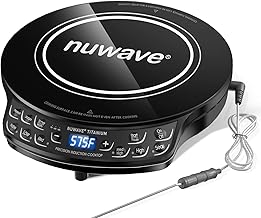
Nuwave Induction Cooktop with Digital Probe |
|
Check Price |

|
Hamilton Beach Portable Single Induction Cooktop |
|
Check Price |

|
Nuwave PIC Double Portable Induction Cooktop |
|
Check Price |
Table of Contents
- 1. VEVOR Induction Cooktop 30In 5 Burners
- 2. Duxtop Portable Induction Cooktop 1800W Silver 9600LS
- 3. Duxtop 1800W Portable Induction Cooktop Gold 8100MC
- 4. Nuwave Gold Precision Induction Cooktop with Large Coil
- 5. AAOBOSI Portable Induction Cooktop with Timer and 20 Levels
- 6. ChangBERT 1800W Portable Induction Cooktop with Large Coil
- 7. Nuwave Portable Induction Cooktop Diamond with Probe
- 8. Nuwave Induction Cooktop with Digital Probe
- 9. Hamilton Beach Portable Single Induction Cooktop
- 10. Nuwave PIC Double Portable Induction Cooktop
Best Induction Versus Ceramic Cooktop Reviews and Ratings
Choosing the right induction versus ceramic cooktop is less about finding a universal winner and more about matching performance, habits, and kitchen constraints. This comparison is popular because both options can serve very different homes, from quick weekday meals to relaxed weekend cooking. Readers can expect top-rated picks, side-by-side comparisons, and practical takeaways that reveal which approach fits each cook. The induction versus ceramic cooktop debate rewards a closer look.
1. VEVOR Induction Cooktop 30In 5 Burners
Cooking a busy family dinner used to mean coordinating multiple pans on a cramped stovetop, especially when the burner layout felt crowded and controls were awkward. The VEVOR Induction Cooktop 30In 5 Burners spreads five cooking zones across a generous ceramic-glass surface, making it easier to prepare several dishes at once without constantly rearranging cookware during meal prep. Touch controls and nine power levels keep heat adjustments straightforward.
Real-life usefulness comes from treating it like a compact central station: one pot for pasta, another for vegetables, and a smaller pan for sauces. The 9,200W aggregate output provides responsive induction heating, while the child lock offers peace of mind in homes with children. Its full 220V requirement makes it a better fit for properly installed electrical service, not casual plug-in use, and the multi-zone layout supports a full meal.
The ceramic glass looks modern and wipes down easily, while the built-in design helps reclaim cabinet space compared with a freestanding range. It is a strong fit for apartment kitchens, new builds, and renovation projects that can accommodate five burners and dedicated high-capacity wiring. The main tradeoffs are its substantial footprint and the fact that induction only heats compatible cookware, so check pots before planning the installation.
- Five cooking zones support complete meals
- Responsive 9,200W aggregate power
- Nine power levels for varied cooking
- Touch controls simplify adjustments
- Child lock improves household safety
- Ceramic-glass surface wipes down easily
- Requires a 220V electrical connection
- Large footprint and substantial installation requirements
Get the VEVOR Induction Cooktop 30In 5 Burners now:
2. Duxtop Portable Induction Cooktop 1800W Silver 9600LS
The Duxtop Portable Induction Cooktop 1800W Silver 9600LS is ideal for apartment renters, dorm residents, office workers, and anyone who needs a compact hot plate without rebuilding a kitchen. It creates a functional cooking zone from an ordinary countertop or tabletop, making it useful for quick lunches, shared meals, and meals prepared away from a full stove. Its practical appeal is substantial heating power in an easy-to-place format.
For everyday cooking, the 1,800W burner delivers concentrated induction heat that helps water respond quickly and pans heat evenly. Its countertop format is easier to reposition than a built-in appliance, and the silver housing gives it a straightforward appliance look. Choose it when space is limited and one burner is enough, rather than expecting it to handle a large multi-course dinner or simulate a full professional range.
This model is best for users who want essential performance without a complicated control panel. It suits stir-fries, soups, boiled eggs, reheating, and simple skillet dishes with compatible cookware. Because induction cooking requires magnetic cookware, check a pan by holding a magnet to its base before buying. Mind ventilation, avoid leaving the burner unattended, and allow the glass surface to cool before cleaning or moving the unit.
- Compact size suits limited kitchens
- 1,800W power handles common meals
- Portable countertop placement
- Simple design works in many spaces
- Induction heating is efficient and focused
- Single-burner design cannot handle several pans
- Requires induction-compatible magnetic cookware
Get the Duxtop Portable Induction Cooktop 1800W Silver 9600LS now:
3. Duxtop 1800W Portable Induction Cooktop Gold 8100MC
Its standout feature is a full-size 1,800W induction burner packed into a compact countertop body, combining quick heating with a smaller footprint than many kitchen hot plates. The Duxtop 1800W Portable Induction Cooktop Gold 8100MC uses that balance well for spaces where cooking performance matters but a permanent stove is unnecessary. It can serve as an extra burner for everyday meals, dorm cooking, or a temporary kitchen during a move.
Real-life cooking is where the 1,800W output earns its keep: boiling water, heating soup, and sautéing vegetables can happen without waiting on a crowded range. The gold finish gives the unit a more decorative look than a plain appliance, while the single-burner layout keeps operation focused and understandable. It is especially useful when you want an extra cooking spot rather than another full appliance taking over the counter.
Choose this model for renters, students, and home cooks who want a portable kitchen option with a more polished appearance than many budget hot plates. It also works as a backup burner when the main stove is occupied. Plan around compatible magnetic cookware, keep the surrounding area clear for ventilation, and do not treat the glass top as a scratch-resistant storage surface during use.
- Compact 1,800W induction burner
- Distinctive gold-finished housing
- Easy to place on a countertop
- Useful as a temporary or backup burner
- Focused layout suits everyday meals
- Only one cooking zone is provided
- Pot compatibility and ventilation must be considered
Get the Duxtop 1800W Portable Induction Cooktop Gold 8100MC now:
4. Nuwave Gold Precision Induction Cooktop with Large Coil
Unlike many portable induction burners with a tiny active center that can leave food around a pan’s outer edge barely engaged, the Nuwave Gold Precision Induction Cooktop with Large Coil uses an 8-inch heating area to encourage broader, more even contact. That distinction matters for skillets, stir-fries, and sauces because the center of the cookware becomes the main cooking zone without requiring an oversized burner.
In everyday use, the large coil is particularly helpful when cooking larger portions or using a broad skillet. The focused heating area is designed to concentrate energy where the cookware sits, which can make temperature management feel more intuitive than on a unit with a very small coil. It is a strong choice for users who want one precise burner rather than a full cooktop with unused zones.
Best for quick lunches, dorm meals, compact kitchens, and auxiliary burners, this model offers a practical balance of heating area and countertop convenience. Plan your cookware around the coil size: an induction-compatible pan that closely matches the heating area will generally deliver the most consistent results. Keep the unit well ventilated, use a clear surface, and remember that all induction models require magnetic bottoms for reliable everyday cooking performance.
- Large 8-inch heating coil
- Encourages centered cookware placement
- Well suited to skillets and stir-fries
- Compact alternative to a full cooktop
- Focused heating supports intuitive control
- Cookware should closely match the coil size
- Ventilation and magnetic cookware are required
Get the Nuwave Gold Precision Induction Cooktop with Large Coil now: (See Also:Midea Cooktop)
5. AAOBOSI Portable Induction Cooktop with Timer and 20 Levels
Picture someone making a weeknight stir-fry after work, with one hand chopping vegetables and the other adjusting heat under a sizzling pan. The AAOBOSI Portable Induction Cooktop with Timer and 20 Levels fits that moment by offering quick adjustments in a compact format. Twenty temperature and power levels let the cook move from a gentle simmer to stronger browning without overshooting, while induction heating keeps the setup efficient.
The built-in timer is especially handy for eggs, pasta, reheating, and dishes that need a predictable end point. Instead of guessing when to return to the stove, the cook can step away briefly without losing track of the cooking cycle. The compact single-burner design is useful in a studio, dorm, office kitchen, or as an extra hot plate in a busy home, provided there is adequate counter space and ventilation.
For regular users, the appeal is control that is easier to understand than a complicated appliance with dozens of tiny functions. The 1,800W rating is suitable for common countertop tasks, from boiling water to reheating and preparing a small meal. Induction still depends on compatible cookware, so verify magnetic bottoms before cooking. Wipe the glass only after it cools, and use the power setup as directed.
- Twenty temperature and power levels
- Built-in timer improves scheduling
- 1,800W power suits everyday cooking
- Compact format fits smaller spaces
- Useful for reheating and simple meals
- Multiple heat settings support precise adjustments
- Single-burner design limits simultaneous cooking
- Requires magnetic induction-compatible cookware
Get the AAOBOSI Portable Induction Cooktop with Timer and 20 Levels now:
6. ChangBERT 1800W Portable Induction Cooktop with Large Coil
The ChangBERT 1800W Portable Induction Cooktop delivers an unusually useful mix of power, portability, and control for its price. You get a large heating coil, one-click maximum heat, precise temperature adjustment, and NSF certification without paying for a full-size range. That makes it a strong value for apartments, dorm rooms, workshops, or a backup burner.
In everyday use, the large coil helps create a useful induction working area, while the 1800W maximum gives fast heating when you need to sear, boil, or move through dinner quickly. The low-noise operation is a welcome touch in open-plan homes, and the portable shape makes it easier to use where an outlet is convenient.
Temperature control makes this more than a basic hot plate. It suits controlled cooking, reheating, and keeping a dish warm, although induction still requires compatible cookware. The compact footprint also makes it practical as a second appliance, while the commercial-grade certification adds reassurance for shoppers who care about durability and food-service standards.
- 1800W maximum power supports fast everyday cooking
- Large heating coil provides a useful cooking area
- Precise temperature control for varied recipes
- One-click maximum-power operation
- NSF certification adds a quality and safety distinction
- Portable design works well as an extra burner
- Only one cooking surface is available at a time
- Induction-compatible cookware is required
Get the ChangBERT 1800W Portable Induction Cooktop with Large Coil now:
7. Nuwave Portable Induction Cooktop Diamond with Probe
Preparing dinner can become frustrating when one pan takes over the only hot plate or burns dry while another dish waits. The Nuwave Portable Induction Cooktop Diamond with Probe addresses that problem with a broad 100°F to 500°F range and an included probe, giving home cooks a practical way to manage temperature with less guesswork.
The probe is especially helpful when preparing foods where exact heat matters, such as sauces, melting, or monitored cooking. A 100°F setting gives low, controlled warmth rather than forcing a cook to rely on a vague low setting, while 500°F provides enough range for stir-frying and larger everyday meals. That flexibility is the main reason this model stands out.
Portability makes the cooktop useful for RV trips, small kitchens, or temporary cooking stations, and the digital temperature readout helps reduce heat-related uncertainty. It is not a substitute for every stovetop function, but it is a focused solution for people who want probe-assisted control in a compact appliance.
- Wide 100°F to 500°F temperature range
- Included probe improves temperature monitoring
- Useful for sauces, melting, reheating, and simmering
- Compact and easy to move between cooking locations
- Digital controls make heat settings easier to understand
- Portable format suits small kitchens and RVs
- Single cooking surface limits simultaneous meal preparation
- Compatible cookware is needed for induction heating
Get the Nuwave Portable Induction Cooktop Diamond with Probe now:
8. Nuwave Induction Cooktop with Digital Probe
The Nuwave Induction Cooktop with Digital Probe is ideal for cooks who need precise, portable heat without installing a permanent range. It suits RV travelers, apartment dwellers, home cooks testing induction, and anyone wanting a dedicated burner for sauces, reheating, and temperature-sensitive dishes. The digital probe makes the appeal clear: control that is easier to trust.
As a single portable hot plate, it focuses on making one dish at a time exceptionally manageable. You can monitor temperature instead of guessing, and the probe adds a level of confidence when heat needs to remain consistent. That makes it especially useful for melting, gentle simmering, keeping food warm, and preparing components before a larger meal.
The trade-off is its focused design rather than a full kitchen system. You still need induction-compatible cookware, and a single cooking surface cannot handle two simultaneous tasks. Even so, for users who value a compact appliance with a clear temperature display and a probe over extra zones or built-in presets, the feature set feels purposeful and efficient.
- Digital probe supports more confident temperature control
- Portable format works in apartments, RVs, and temporary spaces
- Useful for delicate sauces, melting, and reheating
- Simple layout keeps everyday cooking straightforward
- Compact design saves space when a full range is unnecessary
- Focused functionality suits single-dish preparation
- Only one burner is available at a time
- No oven, grill, or other multi-appliance functions
Get the Nuwave Induction Cooktop with Digital Probe now:
9. Hamilton Beach Portable Single Induction Cooktop
Fast Heating Mode is the standout feature of the Hamilton Beach Portable Single Induction Cooktop, because it reduces the wait before cooking gets underway. That convenience matters in busy kitchens, dorm rooms, and temporary setups where a slow burner can make a simple meal feel unnecessarily long at the start of each meal. (See Also:Propane Portable Cooktop)
Fast Heating Mode is a smart choice for searing, boiling, and reheating, when users want the pan to reach a useful working temperature quickly. The single-burner format keeps controls and cooking space straightforward, while portability lets you place the cooktop on a counter, table, or temporary prep area instead of committing to a built-in appliance.
It is especially convenient for small households, students, or renters who do not need a full range. The induction format also promotes efficient cooking and keeps the surrounding area cooler than many alternatives, though compatible cookware is required. Overall, the fast mode adds practical value to an otherwise simple, easy-to-position hot plate.
- Fast Heating Mode supports quicker meal preparation
- Portable design is easy to position anywhere with power
- Single-burner layout keeps operation uncomplicated
- Induction heating is efficient and keeps nearby surfaces cooler
- Useful for boiling, reheating, and everyday cooking
- Compact footprint suits limited kitchen space
- Single cooking surface cannot prepare two dishes at once
- Induction-compatible pans and pots are required
Get the Hamilton Beach Portable Single Induction Cooktop now:
10. Nuwave PIC Double Portable Induction Cooktop
Unlike many portable cooktops that make you choose between capacity and convenience, the Nuwave PIC Double Portable Induction Cooktop with Flexible Power provides a roomier dual format and three output choices. The 900W, 1500W, and 1800W options let you match the appliance to the recipe, the outlet, and the amount of food you are preparing.
Users can use the double format for two separate cooking needs, which is a welcome improvement over single-zone models when dinner includes multiple components. The lower-power setting is helpful for lighter tasks, while the top setting offers more headroom for demanding meals. That range makes the unit adaptable to everyday cooking rather than locked into one pace.
Because it is still portable, it works well for RV travel, apartments, offices, and temporary kitchens, but its larger footprint asks for more counter space than a single hot plate. The 1800W maximum is best suited to suitable high-power setups, and induction-compatible cookware remains essential. The flexible choices make this a versatile option for cooks who dislike one-size-fits-all appliances.
- Double format offers more flexibility than a single-zone hot plate
- Three power options suit different recipes and setups
- 1800W maximum provides headroom for demanding cooking
- 900W and 1500W settings help manage lighter tasks
- Portable design works for travel and temporary kitchens
- Useful for preparing multiple meal components together
- Larger footprint requires more counter space
- Highest output depends on a suitable power setup
Get the Nuwave PIC Double Portable Induction Cooktop now:
What to Look for When Buying Induction Versus Ceramic Cooktop
1. What Is a induction versus ceramic cooktop?
An induction cooktop heats magnetic cookware directly, making it well suited to quick meals, frequent use, and precise adjustment. A ceramic cooktop, usually a glass-ceramic electric model, offers familiar heat control and works with more cookware types. Induction may suit busy cooks and remodelers willing to change their pans, while ceramic can be more practical for households that value compatibility and a gradual cooking style.
The better choice depends on your kitchen, routines, and tolerance for different heating behavior. Consider heat-up time, control response, cookware, installation needs, cleaning preferences, and realistic budget before browsing the Top 10 list.
2. Key Features That Actually Matter
Compare how each technology performs in your kitchen rather than focusing on isolated specifications. The following factors usually have the greatest effect on everyday ownership.
-
- Performance: Compare heat-up speed, low-heat control, temperature consistency, and recovery when a large pan is added to the cooking surface.
-
- Build quality and durability: Look for a sturdy surface, responsive controls, effective cooling, and construction that suits long daily use.
-
- Ease of setup and maintenance: Check the required cookware, ventilation, electrical service, cleaning method, and available installation support.
-
- Size, capacity, and fit: Measure the cutout carefully, confirm door clearance, and make sure your largest pots can sit on the cooking zones.
-
- Value at different budgets: Include installation, replacement cookware, energy use, warranties, and expected service life in the comparison.
-
- Brand reliability and warranty: Favor manufacturers with established service networks, useful protections, and replacement parts that should remain available.
-
- Compatibility with existing setups: Confirm electrical capacity, ventilation, countertop dimensions, cabinet clearance, and your current collection of pots before purchasing.
-
- Assuming any pot will work can make induction unusable with part of your cookware. Test pieces with a magnet and confirm the manufacturer’s pan requirements before buying.
-
- Ignoring electrical and ventilation requirements can delay installation. Review circuit, ventilation, and cutout guidance before selecting a model.
-
- Choosing by the lowest price alone can increase ownership costs. Compare installation, cookware replacements, energy use, warranty coverage, and likely repair expenses.
-
- Overestimating usable space can create clearance or pan-placement problems. Measure the countertop opening, cabinets, doors, and largest cookware before ordering.
-
- Expecting identical control can lead to disappointment. Decide whether you prefer induction’s direct response or ceramic’s slower, more gradual heating before choosing.
3. How to Choose the Right induction versus ceramic cooktop
Start with how often you cook. Frequent users may appreciate induction’s rapid response and precise control, while occasional cooks may favor ceramic’s familiar operation and broader cookware compatibility. The amount of counter space and your willingness to replace unsuitable pans also influence the decision.
Set a total budget before reviewing the Top 10 list. Include electrical work, ventilation, new cookware, and installation if the basic appliance price does not cover them. A less expensive unit can cost more if it requires accessories or does not fit an existing kitchen. (See Also:Induction Versus Gas Cooktop)
Match your expectations to the heating method rather than expecting identical results from both technologies. Use the roundup to identify options that suit your preferred level of control, available space, cooking frequency, and tolerance for gradual or immediate heat changes.
4. Common Buyer Mistakes to Avoid
Most avoidable problems come from checking only the appliance price or comparing technologies without considering the surrounding kitchen.
Common Questions About Induction Versus Ceramic Cooktop
Is induction faster than a glass-ceramic cooktop?
Induction usually heats cookware directly and responds quickly, which makes temperature changes easier to control. A glass-ceramic cooktop warms more gradually and continues radiating heat after the burner is reduced. Actual results depend on the unit, pan, and recipe, but induction is generally quicker when precision and speed are priorities.
Does ceramic work with more types of cookware?
A glass-ceramic cooktop generally works with most flat-bottomed cookware, including stainless steel, aluminum, cast iron, and glass-ceramic. Induction requires a magnetically compatible pot or pan, so ordinary glass and many aluminum pieces will not work. Check your existing pots and the installation requirements before deciding, especially if you rely on a specialty pan.
Which type is easier to control while cooking?
Both types can be clean and understandable, but they feel different in daily use. Induction offers responsive heat and often smoother low-level control, while glass-ceramic provides familiar simmer behavior but takes longer to heat and cool. Consider your confidence with controls, tolerance for waiting, and preference for immediate versus gradual changes.
Are induction or ceramic cooktops more durable?
Both can last for many years when cared for, but quality is easier to judge through construction, controls, surface finish, and warranty coverage. Induction avoids exposed flame, but its electronics and glass can still be damaged. A glass-ceramic surface can crack if struck or subjected to sudden impact, while cooktop components and electronics still need service.
How reliable are induction and ceramic cooktops?
Reliability comes down to fit, installation, and support as much as cooking style. Both technologies are established, and models from companies with solid warranties and service networks tend to be consistent. Common problems may involve wiring, ventilation requirements, damaged glass, or incompatible cookware. Choose installation support available in your area and keep the unit within its intended use.
Which cooktop offers better value over time?
Value is not always the same as lower purchase price. Induction may cost more upfront but can save time and energy during frequent use. Glass-ceramic often costs less and offers broader cookware compatibility. Compare installation, cookware replacement, operating costs, and expected service life. The better value is whichever option fits your usage pattern and budget.
Final Verdict
There is no single best induction versus ceramic cooktop for every household. Induction is the stronger fit for frequent cooks who want quick heating, responsive adjustment, and direct control, provided their cookware and electrical setup are compatible. Glass-ceramic remains a practical alternative for cooks who prioritize familiar operation, broader pan compatibility, and a lower initial cost. Use the Top 10 comparisons, installation details, and ownership considerations together, then choose the technology that matches your actual kitchen rather than the one with the most impressive specifications.